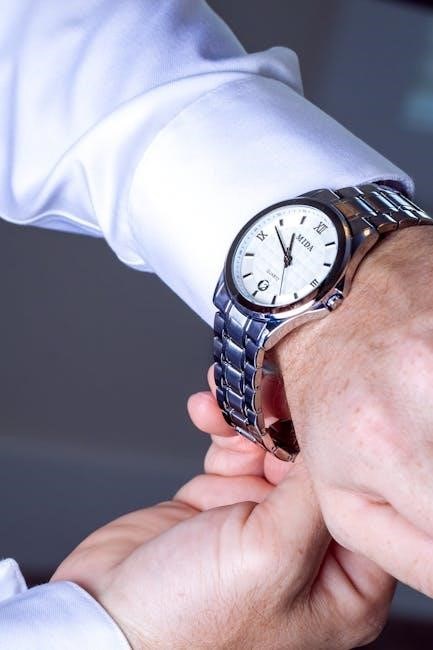
Mens Bracelet Size Guide: A Comprehensive Overview (Updated 02/07/2026)
Navigating the world of men’s bracelets requires understanding proper sizing, especially when purchasing online; this guide simplifies the process for a comfortable fit.
Understanding Bracelet Sizing Importance

Accurate bracelet sizing is paramount for both comfort and style. A bracelet that’s too tight can restrict blood flow and feel incredibly uncomfortable, while one that’s too loose may slip around your wrist or appear disproportionate. Finding the right fit ensures the bracelet sits securely without causing irritation or hindering daily activities.
Beyond physical comfort, proper sizing significantly impacts the aesthetic appeal. A well-fitted bracelet complements your wrist and overall look, enhancing your personal style. Conversely, an ill-fitting bracelet can detract from your appearance, making even the most stylish piece seem awkward. Considering your lifestyle and typical activities is also crucial; a more active lifestyle might necessitate a snugger fit to prevent movement.
Ultimately, understanding bracelet sizing isn’t just about numbers; it’s about achieving a harmonious blend of comfort, style, and practicality.
Why Accurate Sizing Matters
Precise bracelet sizing directly impacts comfort and prevents potential health concerns. A too-tight bracelet can constrict blood circulation, leading to discomfort, numbness, or even skin irritation over prolonged wear. Conversely, a loose bracelet poses a risk of snagging on objects or falling off, potentially resulting in loss or damage.
Beyond physical wellbeing, accurate sizing is vital for aesthetic balance. A correctly sized bracelet enhances the overall look, appearing proportionate to your wrist and complementing your style. An improperly sized bracelet can look awkward and detract from your outfit’s overall appeal.
Furthermore, many bracelet styles, particularly those with clasps or adjustable features, rely on accurate sizing for proper functionality and security. Investing time in precise measurement ensures a satisfying and long-lasting bracelet experience.
Common Bracelet Fit Preferences
Men generally prefer varying bracelet fits, ranging from snug to relaxed, influencing the ideal size. A “snug” fit allows minimal movement, feeling secure without constricting circulation – often favored for active lifestyles or heavier bracelets. This typically involves subtracting slightly from your wrist measurement.
A “relaxed” fit permits more movement, offering greater comfort for everyday wear. This is ideal for lighter bracelets or those worn consistently. Adding a bit to your wrist measurement achieves this looser feel.
Consider the bracelet’s style; chain bracelets often benefit from a snugger fit, while leather or beaded bracelets can accommodate a more relaxed approach. Personal preference plays a significant role, so experimenting to find your comfort zone is key.
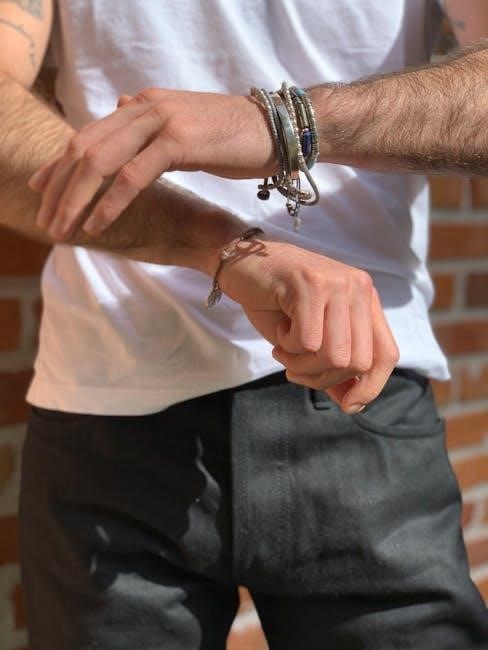
Measuring Your Wrist for a Bracelet
Accurate wrist measurement is crucial for bracelet sizing; utilize a flexible measuring tape or string to determine your wrist circumference precisely and comfortably.
Tools You’ll Need
For precise bracelet sizing, gathering the right tools beforehand streamlines the process significantly. The most essential item is a flexible measuring tape – the kind used for sewing is ideal. Ensure it’s not stretched taut, but rests comfortably against your skin.
If a flexible tape isn’t available, a piece of non-stretchable string or a strip of paper will suffice. You’ll also need a pen or marker to mark the string or paper where it meets around your wrist.
Finally, a ruler or standard measuring device is necessary to measure the length of the marked string or paper in inches or millimeters. Having these simple tools readily available will ensure an accurate wrist measurement, leading to a perfectly fitted bracelet.
Step-by-Step Wrist Measurement Guide
Begin by relaxing your wrist and arm. Don’t flex your muscles! Wrap the measuring tape snugly, but not tightly, around your wrist bone. It should be a comfortable fit, similar to how a watch would sit.
Ensure the tape is lying flat against your skin and isn’t twisted. Read the measurement where the tape overlaps – this is your wrist circumference. If using string or paper, mark the point where it completes a full circle around your wrist.
Then, lay the string or paper flat and measure its length with a ruler. Repeat the process a couple of times to confirm accuracy. Accurate measurement is key to selecting the right bracelet size for optimal comfort and style.
Measuring with a Flexible Measuring Tape
A flexible measuring tape is the most accurate tool for determining your wrist size. Begin by sitting comfortably with your arm relaxed and palm facing upwards. Position the ‘0’ end of the tape at one side of your wrist bone.
Wrap the tape snugly around your wrist, ensuring it’s not too tight – you should be able to comfortably slide a finger underneath. Avoid pulling the tape excessively, as this will result in an inaccurate measurement.
Read the measurement at the point where the tape overlaps. Record this number in inches or millimeters. For the most precise result, repeat the measurement two or three times and average the readings.
Using String or Paper for Measurement
If a flexible measuring tape isn’t available, you can accurately measure your wrist using a piece of string or a strip of paper. Wrap the string or paper snugly around your wrist, similar to how you would with a measuring tape – comfortable, but not overly tight.
Mark the point where the string or paper overlaps with a pen or marker. Carefully remove the string or paper and lay it flat against a ruler or standard measuring tape.
Measure the length from the starting end to the marked point, recording the measurement in inches or millimeters. Repeat this process a couple of times to ensure accuracy and average the results for a reliable wrist size.
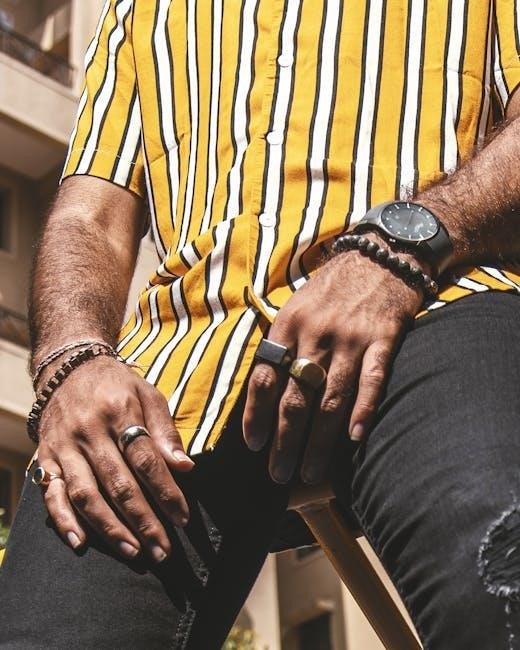
Converting Wrist Measurement to Bracelet Size
Transforming your wrist measurement into the correct bracelet size involves consulting standard charts and factoring in your preferred fit – snug or loose.
Standard Bracelet Size Charts
Utilizing bracelet size charts is crucial for accurate selection, as sizing isn’t uniform across all brands or styles. Generally, a wrist measurement of 7 inches corresponds to a bracelet size of 8 inches, adding a standard 1-inch allowance for comfortable movement.
However, these are merely starting points. Below is a common chart as a reference:
- Wrist Size 6.5” – 7” : Bracelet Size 7.5” – 8”
- Wrist Size 7” – 7.5” : Bracelet Size 8” – 8.5”
- Wrist Size 7.5” – 8” : Bracelet Size 8.5” – 9”
- Wrist Size 8” – 8.5” : Bracelet Size 9” – 9.5”
- Wrist Size 8.5” + : Bracelet Size 9.5” +
Remember to always double-check the specific brand’s sizing guide, as variations exist. Some manufacturers use different measurement systems or have unique fit recommendations.
Adding or Subtracting for Desired Fit
Once you have your wrist measurement and consulted a standard chart, consider your preferred bracelet fit. A snug fit allows minimal movement, while a looser fit offers greater comfort and flexibility.
For a snug fit, add approximately 0.5 inches to your wrist measurement. For a classic, comfortable fit, add 1 inch. If you prefer a looser, more relaxed fit, add 1.5 to 2 inches.
Conversely, if you find bracelets consistently too large, subtract from the standard addition. Experimentation is key! Consider your activity level; active individuals may prefer a snugger fit to prevent snagging.
Ultimately, personal preference dictates the ideal adjustment.
Understanding Bracelet Size Variations by Style
Bracelet sizing isn’t one-size-fits-all; different styles necessitate unique considerations. Chain bracelets are typically measured by length, while leather bracelets focus on wrist circumference and width.
Cuff bracelets require knowing the internal diameter for a comfortable, non-constricting fit. Beaded bracelets, especially those with elastic, need less precise sizing, but consider bead size and stretch.
Link bracelets often allow for link removal, providing a customized fit. Cord or rope bracelets rely on adjustable knots, offering flexibility. Bangle bracelets, similar to cuffs, depend on internal diameter.
Always check the specific sizing guide provided by the retailer, as variations exist between brands and materials.

Bracelet Styles and Sizing Considerations
Different bracelet designs—chain, leather, cuff, and beaded—demand unique sizing approaches; understanding these nuances ensures a perfect, comfortable fit for your wrist.
Chain Bracelets: Sizing and Length
Chain bracelets are a classic choice, and sizing primarily revolves around the length of the chain, typically measured in inches. Unlike a snug fit preferred for some styles, chain bracelets often have a bit more leeway.
Generally, a good starting point is to add approximately 0.5 to 1 inch to your wrist measurement. For example, if your wrist measures 7.5 inches, a bracelet length of 8 to 8.5 inches would likely be comfortable. However, consider the chain’s link size; larger links require a slightly longer length.
Also, think about how you like to wear your bracelet – looser or more fitted. Many chain bracelets come with adjustable clasps or multiple link options, allowing for fine-tuning. When in doubt, opting for a slightly longer length provides more flexibility for adjustment and comfort throughout the day.
Leather Bracelets: Width and Circumference
Leather bracelets differ from chain bracelets in sizing considerations; width and circumference are key factors. Unlike looser chain styles, leather often benefits from a more secure, yet comfortable, fit. Measure your wrist circumference as the primary sizing point, but also consider the leather’s thickness and your personal preference.
For a classic fit, add approximately 0.25 to 0.5 inches to your wrist measurement. A snug, but not constricting, feel is ideal. Wider leather bracelets (over 1 inch) may require adding slightly more – up to 0.75 inches – to accommodate the bulk.
Many leather bracelets feature adjustable buckles or closures, offering some flexibility. If between sizes, it’s generally better to size up slightly, as you can always tighten the bracelet.
Cuff Bracelets: Internal Diameter
Cuff bracelets, unlike linked or flexible designs, are typically sized by their internal diameter – the space inside the circle of the cuff. Accurate measurement is crucial, as resizing these styles is often limited or impossible. To determine the correct size, measure the circumference of your wrist at its widest point.
Then, divide that circumference by 3.14 (pi) to calculate the approximate internal diameter needed. Add roughly 0.25 to 0.5 inches to this diameter for comfortable wear; a tighter fit is common with cuffs, but shouldn’t cause discomfort;
Consider the cuff’s width; wider cuffs may require a slightly larger diameter. Always check the specific brand’s sizing chart, as variations exist.
Beaded Bracelets: Elasticity and Size
Beaded bracelets present a unique sizing challenge due to their inherent elasticity. Unlike rigid cuffs or link bracelets, they stretch and conform to the wrist. When selecting a beaded bracelet, it’s best to choose a size slightly larger than your measured wrist circumference – typically 0.5 to 1 inch greater.
This allows for comfortable movement and prevents the bracelet from feeling overly tight. However, excessive looseness can cause the beads to shift and the bracelet to appear ill-fitting.
Consider the type of elastic used; some stretch more than others. Check product descriptions for details on elasticity and recommended sizing.
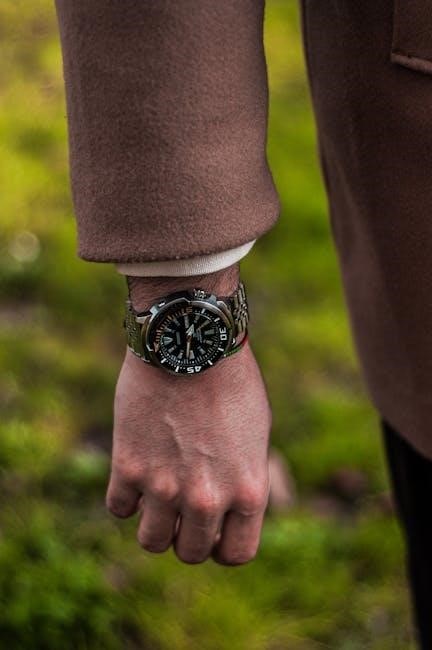
Specific Bracelet Types & Their Sizing
Different bracelet styles necessitate unique sizing approaches; understanding these nuances ensures a secure and comfortable fit tailored to each design’s characteristics.
Bangle Bracelets: Finding the Right Diameter
Bangle bracelets, characterized by their rigid, circular form, require a slightly different sizing approach than bracelets with closures or adjustable features. Unlike bracelets that can be adjusted, bangles rely on a precise internal diameter to comfortably fit over the hand and rest on the wrist. To determine the correct bangle size, measure the circumference of your hand at its widest point – typically across the knuckles.
Ensure your hand is relaxed and not clenched during measurement. Add approximately 1 inch (2.5 cm) to this measurement to allow for comfortable passage over the hand. This sum represents the ideal internal diameter of the bangle. It’s crucial to remember that bangles shouldn’t feel overly tight, restricting movement, nor should they be so loose that they easily slip off. Consider the bangle’s thickness; thicker bangles may require a slightly larger diameter for comfortable wear.
Magnetic Bracelets: Adjustability and Fit
Magnetic bracelets offer a convenient blend of style and adjustability, making sizing relatively straightforward. These bracelets typically feature a clasp utilizing magnetic links, allowing for easy customization to achieve a comfortable and secure fit. When initially selecting a size, measure your wrist circumference as outlined in the general sizing guide – this provides a starting point.
However, unlike traditional clasps, magnetic bracelets allow for micro-adjustments. After receiving the bracelet, try it on and add or remove magnetic links until it feels snug but not constricting. A properly fitted magnetic bracelet should allow for a small amount of movement without feeling loose. Be mindful of the strength of the magnets; ensure they securely connect without causing discomfort or pinching. Regularly check the magnetic closure for strength and security.
Link Bracelets: Adjusting Link Removal
Link bracelets, constructed from interconnected links, offer a classic and durable aesthetic, but require precise sizing through link removal. Determining the correct size initially is crucial, using your wrist measurement as a base. However, most link bracelets benefit from fine-tuning after purchase.
Removing links typically requires a specialized link removal tool, often included with the bracelet or available at jewelry stores. Attempting removal without the proper tool can damage the bracelet. Carefully identify the type of link and follow the tool’s instructions. Removing too many links can result in a bracelet that’s too loose, while too few will cause discomfort. If unsure, it’s best to consult a professional jeweler for assistance, ensuring a perfect and secure fit for your wrist.
Cord/Rope Bracelets: Knot Adjustability
Cord or rope bracelets present a unique sizing advantage due to their adjustable knot closures. These bracelets are typically designed with sliding knots, allowing for a customized fit based on your wrist circumference. When initially purchasing, select a length slightly larger than your measured wrist size to ensure sufficient adjustment range.
To adjust the fit, simply slide the knots closer together to tighten the bracelet or further apart to loosen it. Experiment with different knot positions to find your optimal comfort level. Be mindful not to over-tighten, as this can restrict circulation. The beauty of cord bracelets lies in their adaptability, making them suitable for wrists that may fluctuate slightly in size. Regularly check the knots for security to prevent accidental loosening.
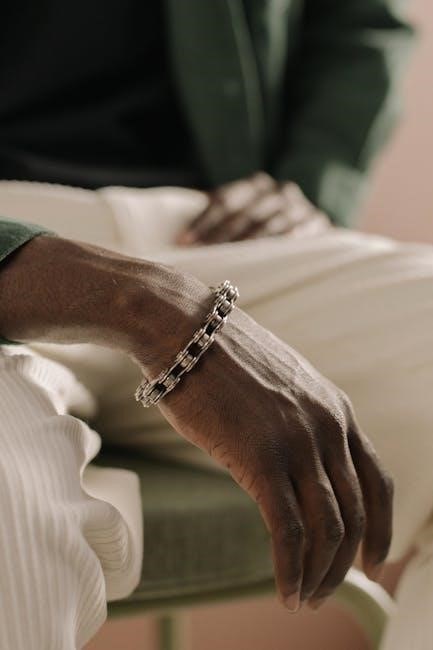
Sizing for Different Wrist Sizes
Understanding wrist size categories – small, medium, large, and extra-large – is crucial for selecting bracelets that offer both comfort and a stylish appearance.
Small Wrist Sizes (Under 6.5 inches)
For wrists measuring under 6.5 inches, finding a comfortable and proportionate bracelet requires careful consideration. Generally, a bracelet length of 7 to 7.5 inches is recommended, allowing for a relaxed but secure fit.
Avoid overly bulky or wide bracelets, as they can appear disproportionate on a smaller wrist. Sleek chain bracelets with smaller links, or thinner leather bands, are excellent choices. When selecting a cuff bracelet, ensure the internal diameter is appropriately sized to avoid constriction or slipping.
Beaded bracelets with elastic cords can also work well, but confirm the beads aren’t excessively large. Prioritize bracelets that allow for some adjustability, ensuring a personalized and comfortable experience. Remember to consider the style of the bracelet and how it complements your overall aesthetic.
Medium Wrist Sizes (6.5 ౼ 7.5 inches)
Men with wrist sizes ranging from 6.5 to 7.5 inches have a versatile range when choosing bracelets. A bracelet length of 8 to 8.5 inches typically provides an ideal balance between comfort and style.
This wrist size can accommodate a wider variety of bracelet styles, including chain bracelets with medium-sized links, leather bands of moderate width, and classic cuff designs. Experiment with different materials and textures to find what best suits your personal taste.
For link bracelets, ensure there are enough removable links to achieve a precise fit. Adjustable clasps are also beneficial. Consider the overall aesthetic you’re aiming for – a bolder bracelet can make a statement, while a more understated design offers subtle elegance.
Large Wrist Sizes (7.5 ‒ 8;5 inches)
For men with wrist sizes between 7.5 and 8.5 inches, selecting bracelets that offer sufficient length and adjustability is crucial for a comfortable and secure fit. A bracelet length of 9 to 9.5 inches is generally recommended.
This size range benefits from bracelets with robust clasps and ample adjustment options, such as multiple link removals or sliding closures. Wider leather bands and substantial chain bracelets can look particularly proportionate on larger wrists.
Pay attention to the bracelet’s width; overly narrow bracelets may appear disproportionate. When shopping online, prioritize sellers who provide detailed sizing information and generous return policies to ensure a perfect fit.
Extra Large Wrist Sizes (Over 8.5 inches)
Men with wrist sizes exceeding 8.5 inches require bracelets specifically designed for larger builds, typically needing lengths of 10 inches or more. Finding the right fit can be challenging, demanding careful consideration of style and adjustability.
Look for bracelets featuring extensive adjustment mechanisms, like numerous removable links in chain bracelets or extended leather strap options. Wider bracelet designs generally complement larger wrists better than very slim styles.
Custom-made bracelets are an excellent option to guarantee a perfect fit. When purchasing online, meticulously review sizing charts and prioritize retailers offering hassle-free returns or exchanges, ensuring satisfaction with your purchase.

Tips for Buying Bracelets Online
Shopping online demands diligence; verify return policies, scrutinize customer sizing feedback, and proactively contact sellers for personalized size recommendations before finalizing your order.
Checking Return Policies
Before committing to a purchase, thoroughly investigate the retailer’s return policy regarding bracelets. A generous and hassle-free return policy is crucial, as accurately determining bracelet size online can be challenging. Look for policies that allow returns or exchanges if the bracelet doesn’t fit correctly, ideally within a reasonable timeframe – 30 days is a good benchmark.
Pay close attention to any associated return shipping costs; some retailers may require you to cover these expenses, which can diminish the value of the purchase if a return is necessary. Understand the condition requirements for returns – does the bracelet need to be unworn, with original tags attached? A clear and easily accessible return policy provides peace of mind and protects your investment, especially when dealing with online purchases where trying on isn’t possible.
Reading Customer Reviews Regarding Sizing
Customer reviews can be an invaluable resource when gauging the accuracy of a bracelet’s sizing. Pay particular attention to comments specifically mentioning fit – do reviewers state the bracelet runs true to size, large, or small? Look for reviews from individuals with similar wrist measurements to your own; their experiences will be the most relevant.
Be mindful of reviews that detail discrepancies between the listed size and the actual fit. A pattern of complaints about inaccurate sizing should raise a red flag. Filter reviews by keywords like “size,” “fit,” or “wrist measurement” to quickly locate relevant feedback. Remember that individual perceptions of fit can vary, but a consistent trend in reviews provides valuable insight into the bracelet’s sizing tendencies.
Contacting the Seller for Size Advice
Don’t hesitate to directly contact the seller with any sizing questions before making a purchase. Most reputable sellers are happy to provide personalized guidance. Share your precise wrist measurement and inquire about their specific sizing recommendations for the bracelet you’re interested in. Ask about their return policy in case the initial fit isn’t quite right.
Specifically, inquire if their bracelets run large, small, or true to size. If the listing lacks detailed sizing information, proactively request it. A responsive and helpful seller demonstrates a commitment to customer satisfaction and can significantly increase your chances of receiving a properly fitted bracelet. Save the communication for future reference, should any issues arise.