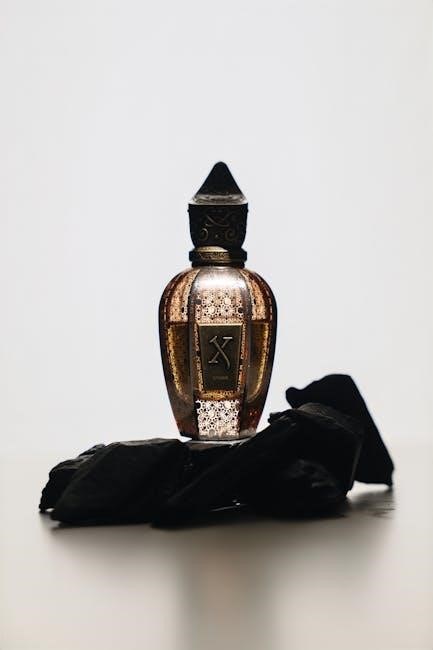
Fragrances are complex blends, utilizing notes and families like Woody & Earthy or Florals, impacting personal aura and evolving throughout the day.
Understanding Fragrance Families
Fragrance families categorize scents based on shared characteristics, offering a structured approach to navigating the world of perfumes. These groupings, like Floral, Woody, or Citrus, aren’t rigid but provide a helpful framework. Understanding these families allows you to predict a fragrance’s overall impression and identify scents you might enjoy.
The Fragrance Wheel, developed by Michael Edwards, visually maps these relationships, showcasing how families connect and influence each other. Perfumers skillfully blend notes within these families, creating unique compositions. Whether you prefer the grounded sophistication of Woody scents or the bright refreshment of Citrus, recognizing fragrance families empowers you to discover your signature scent and explore new olfactory experiences.
The Fragrance Wheel: A Visual Map
Edwards’ Fragrance Wheel illustrates the relationships between 14 fragrance families, providing an olfactory map for understanding scent connections and classifications.
Exploring the 14 Fragrance Families
The world of fragrance is beautifully categorized into 14 distinct families, each offering a unique sensory experience. These families aren’t rigid boundaries, but rather helpful guides to understanding scent profiles. They include Floral, Oriental, Woody, and Fresh categories, with further subdivisions like Fruity Floral or Spicy Oriental.
Understanding these families allows you to navigate the vast fragrance landscape with confidence. For example, Woody fragrances often feature sandalwood and cedarwood, offering a grounded, sophisticated aroma. Conversely, Citrus fragrances deliver bright, refreshing notes of lemon and bergamot. The interplay between these families creates complex and captivating scents, allowing for personalized fragrance choices.
Exploring these nuances unlocks a deeper appreciation for the art of perfumery and helps you discover scents that truly resonate with your individual preferences.

Decoding Fragrance Notes
Fragrances unfold in three layers: top notes – the initial impression, middle notes – the heart, and base notes – the lasting foundation.
Top Notes: The First Impression
Top notes are the initial burst of fragrance you experience immediately upon application. These are typically light, fresh, and volatile, creating the first impression of a scent. Think of them as a fleeting hello – they grab your attention but don’t last long, generally dissipating within 5 to 15 minutes.
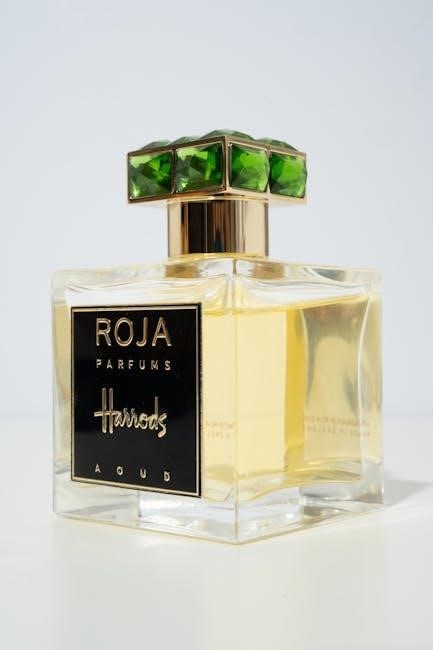
Common top note ingredients include bright citrus fruits like lemon, bergamot, and lime, alongside herbal elements like basil and thyme. These notes are designed to be invigorating and appealing, drawing you in to discover the more complex layers beneath. Because of their high volatility, top notes significantly influence your initial perception of a fragrance, setting the stage for the heart and base notes to unfold.
Middle (Heart) Notes: The Core of the Fragrance
Middle (heart) notes emerge after the top notes fade, forming the core identity of a fragrance. They represent the main theme and character, developing fully after about 20-60 minutes on the skin. These notes are typically warmer and more rounded than top notes, providing depth and complexity.
Floral aromas like rose, jasmine, and lily-of-the-valley are frequently found in heart notes, alongside spicy or fruity accords. They bridge the gap between the initial freshness and the lasting foundation. The heart notes are crucial in determining whether a fragrance aligns with your personal preferences, as they linger for several hours, defining the overall scent experience.
Base Notes: The Long-Lasting Foundation
Base notes provide the enduring foundation of a fragrance, emerging approximately 30 minutes after application and lasting for several hours – even up to a day. These notes are rich, heavy, and often possess a fixative quality, anchoring the lighter components and lending longevity.
Common base notes include woody elements like sandalwood and patchouli, as well as amber, musk, and vanilla. They create a warm, sensual, and grounding effect. The interaction between base notes and skin chemistry is significant, influencing how a fragrance evolves uniquely on each individual. They are the lasting impression, defining the overall character and depth of the scent.
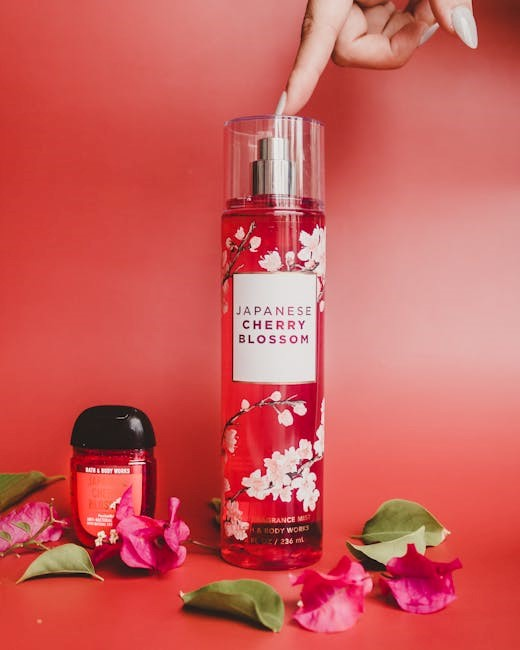
Floral Fragrances: A Feminine Classic
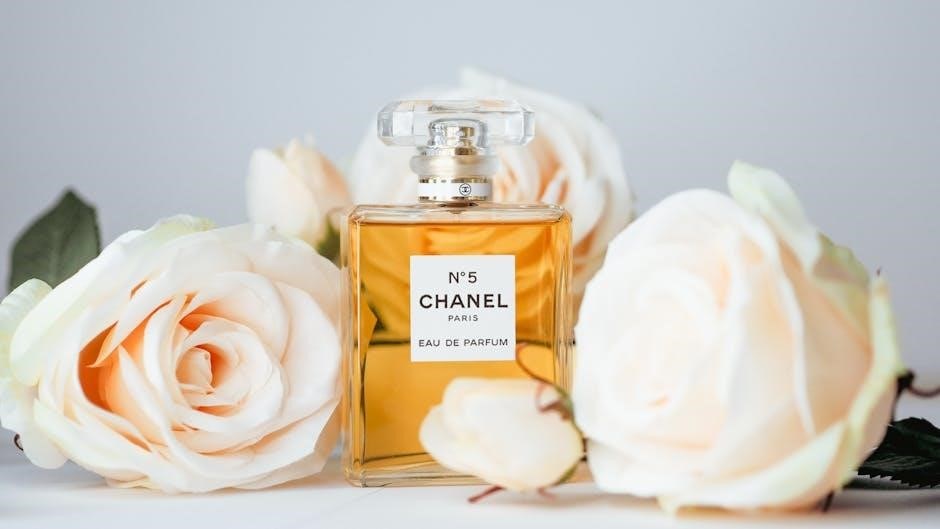
Floral fragrances, a timeless choice, feature notes like rose, jasmine, and lily-of-the-valley, offering both warm, soft, and fresh aromatic experiences.
Key Floral Notes: Rose, Jasmine, Lily of the Valley
Rose, a classic floral note, offers a range of scents from delicate and powdery to rich and jammy, embodying romance and elegance. Jasmine, intensely sweet and intoxicating, provides a heady, exotic aroma often associated with femininity and allure. Its scent can range from fruity to slightly animalic.
Lily of the Valley, with its delicate, green, and slightly sweet fragrance, evokes freshness and purity. It’s a popular choice for creating airy and sophisticated floral bouquets. These notes, individually or combined, form the heart of many iconic perfumes, contributing to both warm and fresh floral fragrance profiles. They represent a cornerstone of perfumery, offering versatility and enduring appeal.
Warm Floral vs. Fresh Floral
Warm florals blend floral notes with amber, vanilla, or musk, creating a sensual and inviting aroma. Think of rich roses paired with soft musk – a comforting and luxurious experience. These fragrances often possess a heavier, longer-lasting quality, ideal for evening wear or cooler seasons.
Fresh florals, conversely, combine floral scents with citrus or green notes, resulting in a light, airy, and invigorating fragrance. Lily-of-the-valley with a hint of citrus exemplifies this style. They are perfect for daytime wear and warmer weather, offering a clean and uplifting sensation. The distinction lies in the supporting notes, dramatically altering the overall character of the floral bouquet.
Woody & Earthy Fragrances: Grounded and Sophisticated
Woody and earthy fragrances, featuring sandalwood and patchouli, evoke nature and stability, offering a sophisticated and grounding olfactory experience for the wearer.
Common Woody Notes: Sandalwood, Cedarwood, Patchouli
Sandalwood offers a creamy, warm, and subtly sweet aroma, often used as a base for its fixative properties, lending depth and longevity to a fragrance. Its luxurious scent is highly prized.
Cedarwood presents a dry, pencil-shaving-like scent, providing a crisp and clean woody character. Different cedarwood varieties offer nuances, from Virginia cedarwood’s smokiness to Himalayan cedarwood’s freshness.
Patchouli is a distinctive, earthy, and slightly sweet note with a complex profile. It can range from dark and musky to bright and camphoraceous, adding a bohemian and grounding element. The marriage between patchouli and oriental notes creates the Woody Oriental family, a fusion of styles.
Woody Oriental: A Fusion of Styles
Woody Oriental fragrances represent a captivating blend, harmoniously marrying the spicy and resinous facets of the Oriental family with the grounding essence of woody notes like sandalwood and patchouli. This combination results in a scent profile that is both warm and sophisticated.
The Oriental family contributes exotic spices, amber, and vanilla, creating a rich and opulent character. The addition of woody notes provides a structural foundation, preventing the sweetness from becoming overwhelming and adding a touch of earthiness.
These fragrances often evoke a sense of mystery and allure, making them ideal for evening wear or those seeking a bold and memorable scent. They are a testament to the art of perfumery, showcasing a beautiful balance of contrasting elements.
Citrus Fragrances: Bright and Refreshing
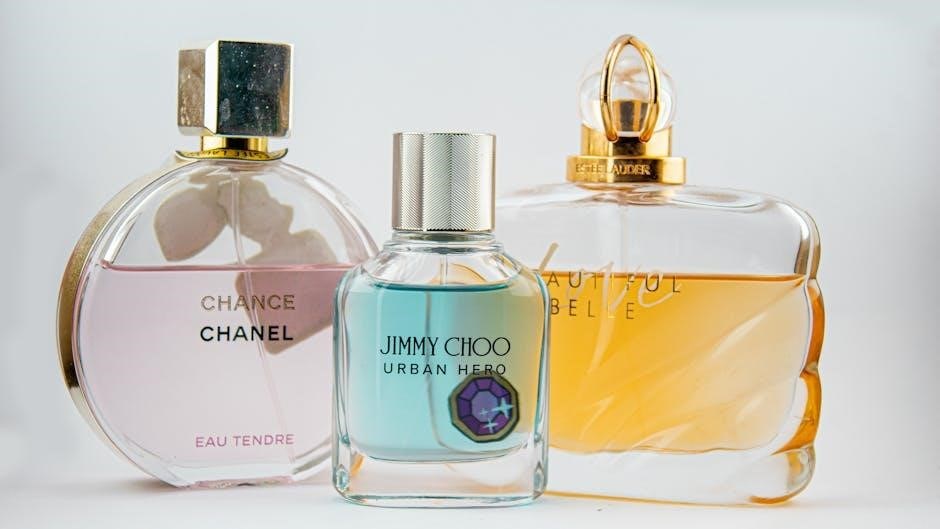
Citrus scents, utilizing notes like lemon and bergamot – both natural and chemical – offer a bright, invigorating experience, often found in fragrances like O de Lancome.
Natural vs. Chemical Citrus Notes
Citrus fragrances derive their zesty character from a diverse palette of ingredients, broadly categorized as natural or chemical. Natural citrus notes, sourced directly from fruits, include the vibrant oils of lemon, bergamot, and lime, offering a complex and nuanced aroma reflecting the fruit’s origin and growing conditions. These oils contribute a realistic, multifaceted scent profile.
Conversely, chemical citrus notes are synthetically created compounds like Citral and Dihydromyrcenol. These offer consistency and affordability, allowing perfumers to replicate specific citrus facets or create entirely new, abstract citrus accords. While sometimes perceived as less complex than their natural counterparts, chemical notes provide stability and can enhance the overall longevity of a fragrance. The choice between natural and chemical notes, or a blend of both, significantly impacts the final fragrance character.
Representative Citrus Fragrances
O de Lancôme (1975, Lancôme) stands as a classic example of a citrus fragrance, skillfully blending bright citrus top notes with a floral heart and a subtle woody base. This composition exemplifies how citrus can be used to create a sophisticated and enduring scent. Many modern fragrances also showcase citrus prominently.
Contemporary interpretations often pair citrus with other families, like florals or aromatics, to add depth and complexity. The enduring appeal of citrus lies in its versatility – it can be invigorating and fresh, or warm and inviting, depending on the accompanying notes. Exploring these fragrances demonstrates the broad spectrum of possibilities within the citrus fragrance family, offering options for diverse preferences and occasions.
Fragrance Concentration & Types
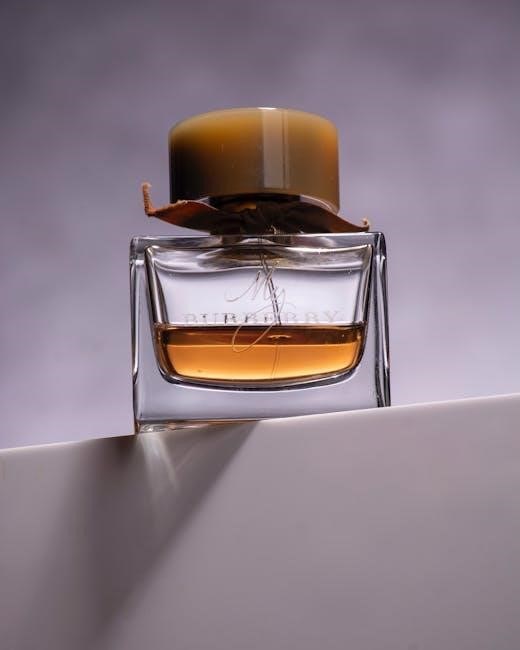
Fragrance concentration dictates longevity and sillage; options range from lighter Eau de Toilette (EDT) to richer, longer-lasting Eau de Parfum (EDP) formulations.
Eau de Parfum (EDP)
Eau de Parfum (EDP) represents a significant concentration of fragrance oils, typically ranging between 15-20%. This higher concentration translates to a longer-lasting scent experience, generally between four to five hours, making it an excellent choice for all-day wear. EDPs offer a more pronounced and noticeable aroma compared to lighter fragrance types.
Because of their strength, EDPs are often considered a versatile option, suitable for both daytime and evening occasions. The richer scent profile allows the fragrance notes to develop more fully on the skin, revealing the complexity of the composition. They are a popular choice for those seeking a fragrance with substantial presence and enduring appeal, offering a luxurious and sophisticated olfactory experience.
Eau de Toilette (EDT)
Eau de Toilette (EDT) typically contains a fragrance oil concentration between 5-15%, resulting in a lighter, more refreshing scent profile. Compared to Eau de Parfum, EDTs are generally less intense and have a shorter longevity, usually lasting around two to three hours. This makes them ideal for casual wear or for those who prefer a subtle fragrance.
EDTs are often described as being more suitable for warmer weather due to their lighter nature. They provide a pleasant, noticeable aroma without being overpowering. The lower concentration also makes them a more affordable option. Regular reapplication throughout the day may be desired to maintain the scent’s presence, offering a consistently fresh and invigorating experience.
Fragrance Longevity: Why Scents Disappear
Fragrance duration is affected by skin type, climate, application method, and fragrance concentration; scents evaporate, lessening their impact over time.
Factors Affecting Fragrance Duration
Several key elements influence how long a fragrance lasts. Skin type plays a significant role; dry skin doesn’t hold scent as well as oily skin due to a lack of natural oils to bind to the fragrance molecules. Climate also matters – warmer temperatures accelerate evaporation, shortening the scent’s lifespan.
Application method is crucial; applying to pulse points (wrists, neck) generates heat, enhancing diffusion. However, rubbing wrists together can break down the fragrance molecules. Finally, fragrance concentration – Eau de Parfum (EDP) lasts longer than Eau de Toilette (EDT) – directly impacts longevity. Consider layering products with similar scents to extend the overall wear time and create a more pronounced aroma.