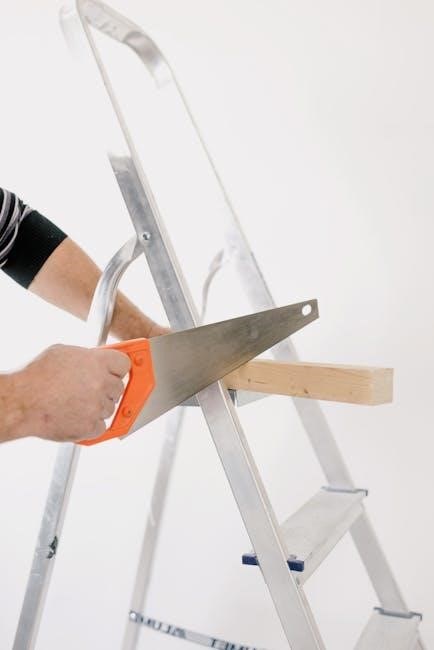
Z-Saw guides revolutionize cutting, offering precision and efficiency for various materials. Okada Hardware Mfg. Co., Ltd. manufactures these innovative tools, gaining popularity globally.
What is a Z Saw Guide?
A Z Saw Guide is a precision tool designed to enhance the accuracy and straightness of hand sawing. It consists of inner and outer guide plates, creating a channel for the saw blade. This innovative system minimizes blade deviation, resulting in cleaner, more professional cuts.
Primarily used with Z-Saw blades, it’s compatible with blades up to 0.5mm thick, ensuring versatility. The guide’s design supports both the Z-Saw UNIVERSAL S-175 and S-265 models, offering a stable and reliable cutting experience.
The History of Z Saw Technology
Z-Saw technology originated from Okada Hardware Mfg. Co., Ltd. in Japan, a company dedicated to precision tool development. Recognizing the need for improved hand sawing accuracy, they engineered the initial Z-Saw guide.
Early iterations focused on creating a stable channel for blades, minimizing wobble and drift. Subsequent models, like the UNIVERSAL S-175 and S-265, refined the design, enhancing compatibility and ease of use. The technology quickly gained recognition for its ability to deliver professional-quality cuts.

Understanding the Components of a Z Saw Guide
Z-Saw guides feature inner and outer guide plates, a crucial fence mechanism, and are designed for compatibility with various saw blade thicknesses, up to 0.5mm.
Inner and Outer Guide Plates
Z-Saw guides utilize precisely engineered inner and outer guide plates, essential for achieving remarkably straight and accurate cuts. These plates work in tandem to securely hold the saw blade, minimizing deviation during operation. Setting these plates in the direction indicated by the arrow is crucial for proper alignment and optimal performance. The design ensures consistent contact, resulting in clean, professional-quality results, even with manual sawing techniques. They are fundamental to the guide’s functionality.
Fence Mechanism and its Function
The Z-Saw guide’s fence mechanism provides crucial stability and ensures consistently straight cuts, particularly when working with larger materials. Users can position the fence on top and utilize a separate metal or wood guide for enhanced support during panel cutting. This adaptable system allows for customized setups, accommodating diverse project requirements. Proper fence adjustment is vital for maintaining accuracy and preventing blade drift, ultimately improving the overall quality of the finished work.
Compatibility with Saw Blades
Z-Saw guides demonstrate specific blade compatibility requirements for optimal performance. The Saw Guide Mini is designed for blades no thicker than 0.5mm. Utilizing saws other than the Z-Saw Universal S-265 may potentially cause damage to both the saw blade and the guide itself. Always verify blade thickness before use to prevent issues and ensure safe, accurate cutting results.

Using the Z Saw Guide: A Step-by-Step Approach
Z-Saw guides require proper setup, including aligning inner and outer guide plates in the direction indicated by the arrow for accurate cuts.
Setting Up the Guide for Accurate Cuts
Z-Saw guide setup is crucial for precision. Begin by securely attaching the guide to your workpiece, ensuring it’s firmly positioned. Align the inner and outer guide plates meticulously, following the directional arrows indicated on the device. Proper alignment guarantees straight, clean cuts.
For larger panels, consider utilizing additional guides alongside the Z-Saw for enhanced stability and extended reach. Always double-check the fence position before initiating any cut to maintain accuracy throughout the process.
Proper Hand Position and Technique
When using the Z-Saw guide, maintain a firm, controlled grip on the saw handle. Apply consistent, even pressure throughout the cutting stroke, allowing the guide to dictate the blade’s path. Avoid excessive force, as this can lead to inaccuracies or damage.
Keep your body aligned with the cut and utilize smooth, deliberate movements. Remember, the guide minimizes effort, so let it do the work for optimal results and reduced fatigue.
Cutting Different Materials with the Z Saw Guide
The Z-Saw guide excels with diverse materials, from wood and acrylic to thin metals. Adjust your cutting speed and pressure based on the material’s density. Softer materials require a lighter touch, while denser ones benefit from a slightly increased pace.
Always ensure the blade is appropriate for the material being cut. Proper blade selection and technique guarantee clean, accurate cuts every time, maximizing the guide’s versatility.
Z Saw Guide Models and Variations
Z-Saw offers models like the UNIVERSAL S-175 and S-265, catering to different needs. The S-175 is compact, while the S-265 handles larger projects effectively.
Z-Saw UNIVERSAL S-175
The Z-Saw UNIVERSAL S-175 is a highly portable and versatile cutting guide designed for precision hand sawing. It’s ideal for smaller projects and DIY enthusiasts needing accurate results. This model is specifically recommended for use with saws having a blade thickness of 0.5mm or less, ensuring optimal performance and preventing damage.
It’s a compact solution, easily adaptable to various work environments, and provides a stable platform for consistent, straight cuts. Users appreciate its simplicity and effectiveness in achieving professional-quality results.
Z-Saw UNIVERSAL S-265
The Z-Saw UNIVERSAL S-265 is a robust and professional-grade cutting guide, built for larger projects and demanding applications. It’s designed to accommodate a wider range of saw blade thicknesses, offering greater flexibility. However, it’s crucial to avoid using it with blades exceeding 0.5mm to prevent potential damage to both the blade and the guide itself.
This model provides exceptional stability and accuracy, making it a favorite among carpenters and craftspeople seeking consistently precise cuts.
Maintenance and Troubleshooting
Z-Saw guides require regular cleaning and lubrication for optimal performance. Avoid over-tightening screws, as this can cause damage to the components and hex key wrench.
Cleaning and Lubrication
Z-Saw guides benefit from consistent maintenance to ensure smooth operation and longevity. Regularly wipe down the guide plates with a clean, dry cloth to remove sawdust and debris after each use. Applying a small amount of light machine oil to the moving parts, such as the fence mechanism, will reduce friction and maintain precision; Avoid using harsh chemicals or abrasive cleaners, as these could damage the guide’s finish or components. Proper lubrication contributes significantly to accurate and effortless cutting performance, extending the life of your Z-Saw guide.
Addressing Common Cutting Issues
If experiencing inaccurate cuts with your Z-Saw guide, first verify proper setup and blade compatibility – ensure the blade thickness is 0.5mm or less. Wobbling may indicate loose screws; tighten them carefully, avoiding over-tightening to prevent damage. For difficult materials, reduce cutting pressure and maintain a consistent speed. If issues persist, confirm the inner and outer guide plates are correctly aligned and free of debris. Using saws other than Z-Saw Universal S-265 may cause damage.
Screw Tightening and Potential Damage
Proper screw tightening is crucial for Z-Saw guide performance, but over-tightening poses a significant risk. Excessive force can strip screw threads or damage the hex key wrench, rendering the guide unstable. Regularly check screw tightness, but apply only moderate pressure. Using incompatible saws, like those not Z-Saw Universal S-265, can also cause damage to both the blade and the guide itself, compromising accuracy and longevity. Careful handling ensures optimal functionality.

Z Saw Guide vs. Traditional Sawing Methods
Z-Saw guides deliver superior accuracy and precision compared to traditional sawing. They also offer notable efficiency and time savings for various cutting tasks.
Accuracy and Precision Comparison
Z-Saw guides significantly enhance cutting accuracy, minimizing deviations from the intended line. Traditional sawing relies heavily on user skill, often resulting in inconsistencies. The guide’s design ensures a straighter, cleaner cut, particularly beneficial for precise projects. This is achieved through the stable fence mechanism and secure blade alignment.
Compared to freehand sawing, the Z-Saw minimizes blade wander and reduces the likelihood of errors, leading to more professional-looking results and less material waste.
Efficiency and Time Savings
Utilizing a Z-Saw guide streamlines the cutting process, notably reducing the time required for accurate cuts. The stable platform and controlled blade movement minimize the need for repeated adjustments or corrections common in traditional sawing methods. This efficiency is particularly valuable for repetitive cuts or large-scale projects.
By improving precision and reducing errors, the Z-Saw minimizes rework, further contributing to time savings and increased productivity for both hobbyists and professionals.

Where to Purchase a Z Saw Guide
Z-Saw guides are available through the official Z-Saw website and authorized retailers. Explore options for convenient purchase and reliable distribution channels.
Official Z-Saw Website
Authorized Retailers and Distributors
While the official Z-Saw website offers direct purchasing, a network of authorized retailers and distributors expands accessibility. These partners provide convenient options for customers seeking in-person demonstrations or immediate product availability; Currently, specific retailer listings aren’t widely publicized, emphasizing direct sales. However, checking specialized woodworking supply stores and online marketplaces may reveal authorized vendors. Purchasing through authorized channels guarantees genuine Z-Saw products and access to warranty support, ensuring quality and customer satisfaction.
The Pronunciation of “Z”
The letter “Z” exhibits varied pronunciation: “zee” in American English and “zed” in British English, impacting how “Z-Saw” is verbally communicated.
“Z” Pronunciation in English (Zed vs. Zee)
The pronunciation of the letter “Z” diverges significantly across English-speaking regions. In American English, it’s commonly pronounced as “zee,” a straightforward and consistent articulation. However, in British English, the traditional and still prevalent pronunciation is “zed,” reflecting historical linguistic influences.
This difference extends to how products like the “Z-Saw” are verbally identified. An American user might say “zee-saw,” while a British counterpart would likely pronounce it “zed-saw.” Understanding this variation is crucial for clear communication and avoiding potential misunderstandings when discussing or purchasing the Z-Saw guide.
“Z” Pronunciation in Chinese (Zi)
In Mandarin Chinese, the letter “Z” is consistently pronounced as “zi,” represented phonetically as /tsɨ/. This pronunciation differs markedly from the English variations of “zed” or “zee.” For individuals familiar with Mandarin, associating the Z-Saw guide with the sound “zi” can be a helpful mnemonic.
Interestingly, even when discussing the Z-Saw internationally, some Chinese speakers may instinctively vocalize the brand name using this familiar “zi” sound. This linguistic habit highlights the influence of one’s native language on pronunciation, even when engaging with foreign products like the precision Z-Saw.
Safety Precautions When Using a Z Saw Guide
Z-Saw guides require protective gear. Avoid over-tightening screws to prevent damage, and ensure compatibility with your saw blade for safe, accurate cuts.
Proper Protective Gear
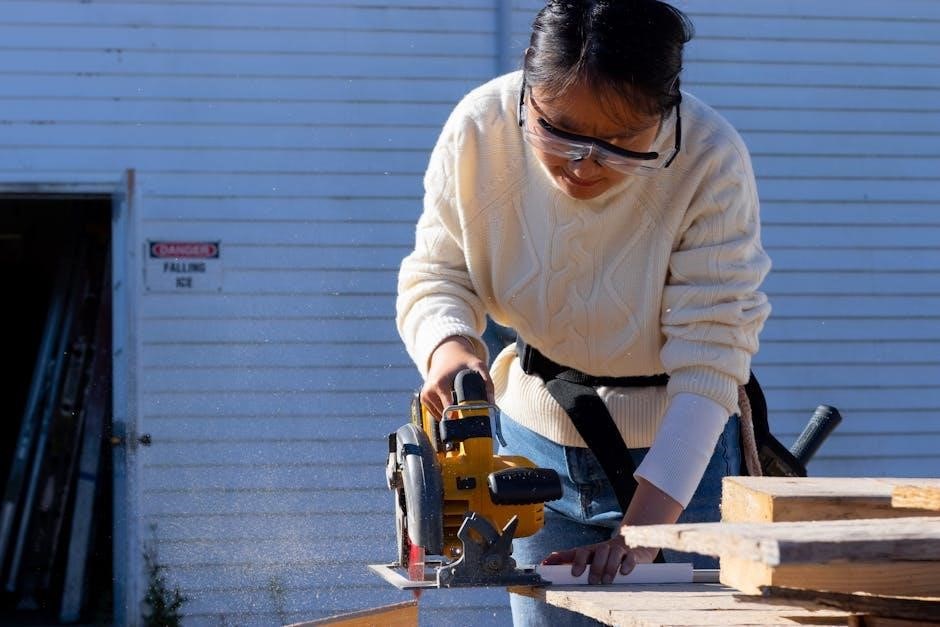
When utilizing the Z-Saw guide, prioritizing safety is paramount. Always wear appropriate eye protection, such as safety glasses or goggles, to shield against sawdust and potential debris. Consider wearing gloves to enhance grip and protect your hands during operation. Depending on the material being cut, a dust mask or respirator is recommended to prevent inhalation of harmful particles.
Proper attire, including close-toed shoes, further minimizes the risk of injury. Remember, a safe working environment contributes to accurate and efficient cutting results with your Z-Saw guide.
Avoiding Over-Tightening of Screws
A crucial aspect of Z-Saw guide maintenance involves careful screw management. Over-tightening can inflict damage upon the screws themselves, as well as the hex key wrench used for adjustment. This can compromise the guide’s structural integrity and hinder its functionality.
Apply only the necessary force to secure components firmly, avoiding excessive pressure. Regularly inspect screws for signs of stress or damage, and replace them if needed to maintain optimal performance and prevent potential issues during use.
Advanced Techniques with the Z Saw Guide
Z-Saw guides can cut large panels with added guides for support. Using double saws is possible, but has limitations regarding blade thickness and compatibility.
Cutting Large Panels with Added Guides
Z-Saw guides excel with larger materials, but require adaptation. A resourceful technique involves positioning the fence atop the guide, then utilizing a supplementary metal or wooden guide alongside it. This addition provides crucial support, ensuring straight and accurate cuts across expansive panels.
This method effectively extends the guide’s reach, compensating for potential flex or instability when working with sizable workpieces. It’s a practical solution for achieving professional-quality results on larger projects.
Using the Guide with Double Saws (Limitations)
Z-Saw Mini guides present limitations when employed with double saws. The guide’s smaller, thinner profile may exhibit sway under the forces generated during hand sawing with two blades simultaneously. It’s explicitly stated that the Saw Guide Mini isn’t designed for this application.
Furthermore, compatibility is restricted to saw blades no thicker than 0.5mm. Attempting to use it with incompatible saws, beyond the Z-Saw UNIVERSAL series, risks damaging both the blade and the guide itself.

The Manufacturer: Okada Hardware Mfg. Co., Ltd.
Okada Hardware Mfg. Co., Ltd. is the Japanese company behind the Z-Saw. They are dedicated to producing high-quality, innovative sawing solutions for professionals and hobbyists.
Company Overview
Okada Hardware Mfg. Co., Ltd., the creator of the Z-Saw, is a Japanese manufacturing firm with a strong commitment to precision tools. Based in Japan, with a postal code of 673-0822, they specialize in innovative hardware solutions; The company focuses on delivering high-performance products, notably the Z-Saw series, designed for accuracy and ease of use.
They actively engage with customers through platforms like their official website (z-saw.co.jp/en/) and Instagram (@zetsaw_japan), showcasing their dedication to quality and customer support.
Contact Information and Support
ZETSAW Z Hanbai Co., Ltd. also provides support and information related to the Z-Saw product line.
Z Generation and Relevance
While seemingly unrelated, the “Z” in Z-Saw mirrors the “Z Generation,” representing innovation and a forward-thinking approach to traditional tools.
Defining the Z Generation
Generally, in China, people categorize generations into stages like the ’80s, ’90s, and ’95s, based on birth years. The Z Generation, typically born from the late 1990s to the early 2010s, embodies digital nativism and a pragmatic outlook.
Interestingly, this generation’s embrace of efficiency and innovative solutions aligns with the Z-Saw guide’s purpose – a modern tool enhancing traditional woodworking techniques. Both represent a shift towards streamlined processes and improved results.